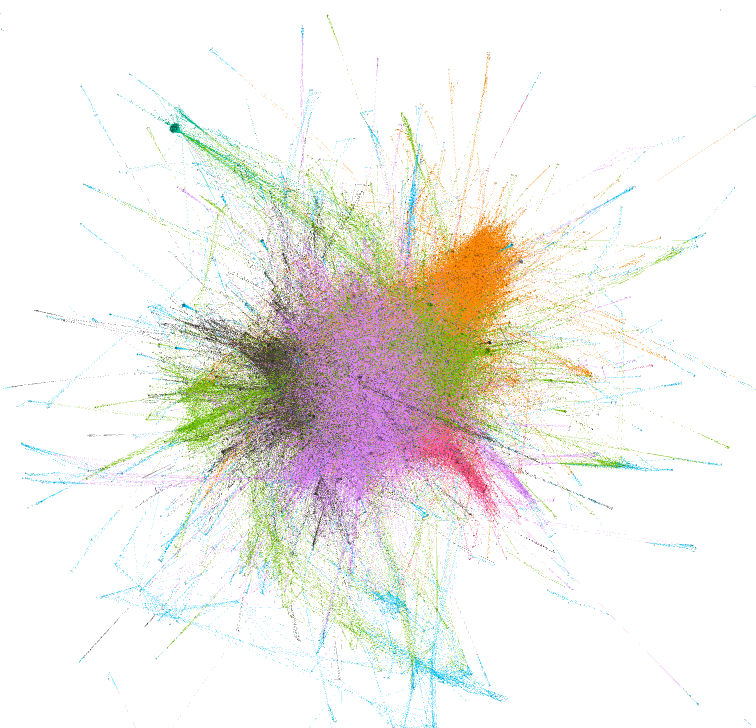
FastRP graph embeddings with Apache DataFusion
Blogpost about the FastRP algorithm for graph vertex representation learning and its implementation using Apache DataFusion and BSP model.
Blogpost about the FastRP algorithm for graph vertex representation learning and its implementation using Apache DataFusion and BSP model.

Blogpost about an implementation of KMeans clustering algorithm using Apache DataFusion DataFrame APIs and operations on relations.
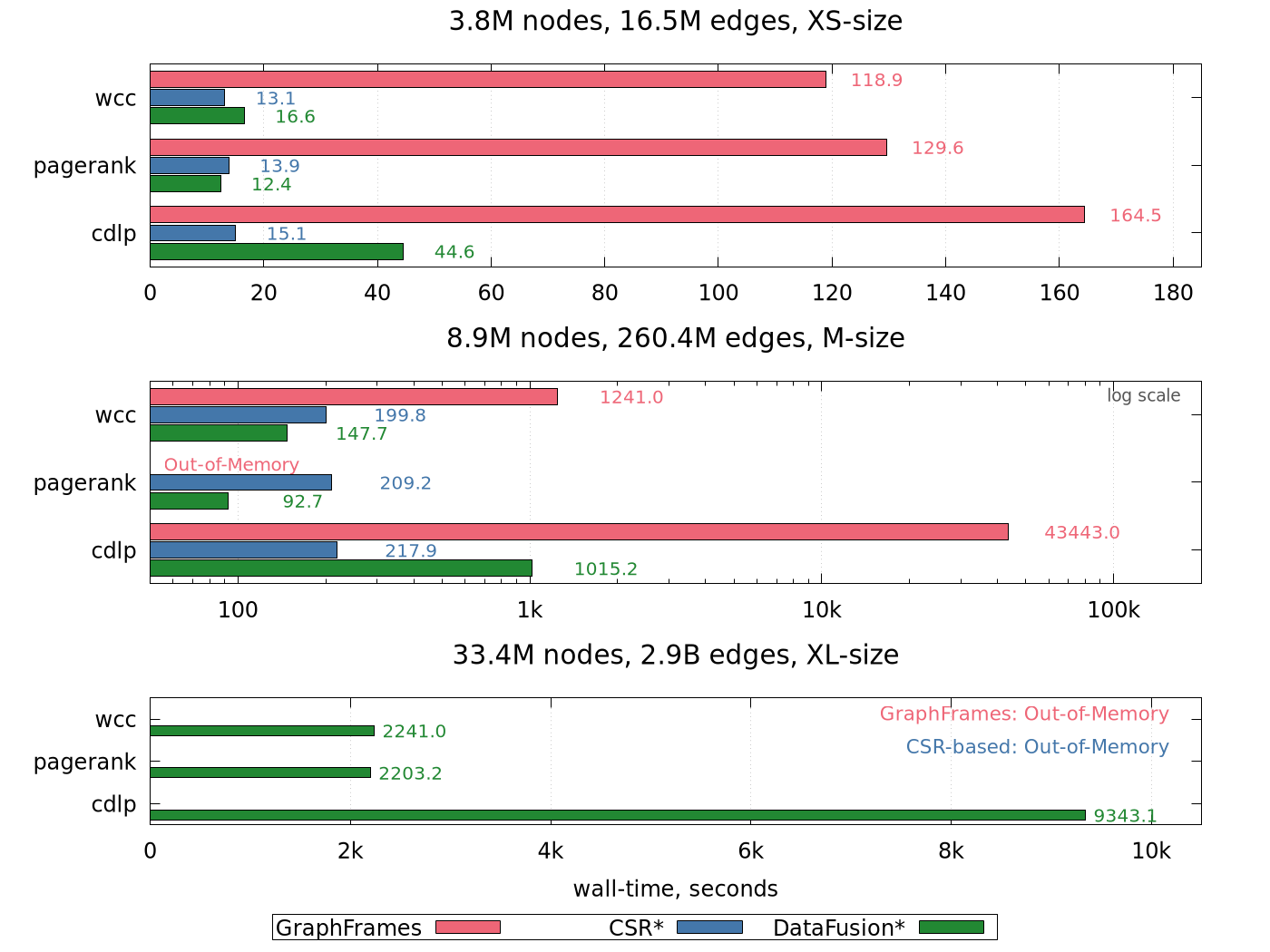
GraphFrames is distributed graph algorithms using Apache Spark as a backend. I was always thinking about it like a project that closes the gap between in-memory graph tools (IGraph, NetworkKit) and complex distributed systems (GraphScope). The niche of graph problems from a few billion edges to a hundred billion edges. Now I think this gap can be closed by single-node out-of-core graph processing and using Apache Spark for graph algorithms can be explained only by specific infrastructure reasons, not uniqueness or performance. GraphFrames is slow and greedy for resources at problems of almost all the scales.
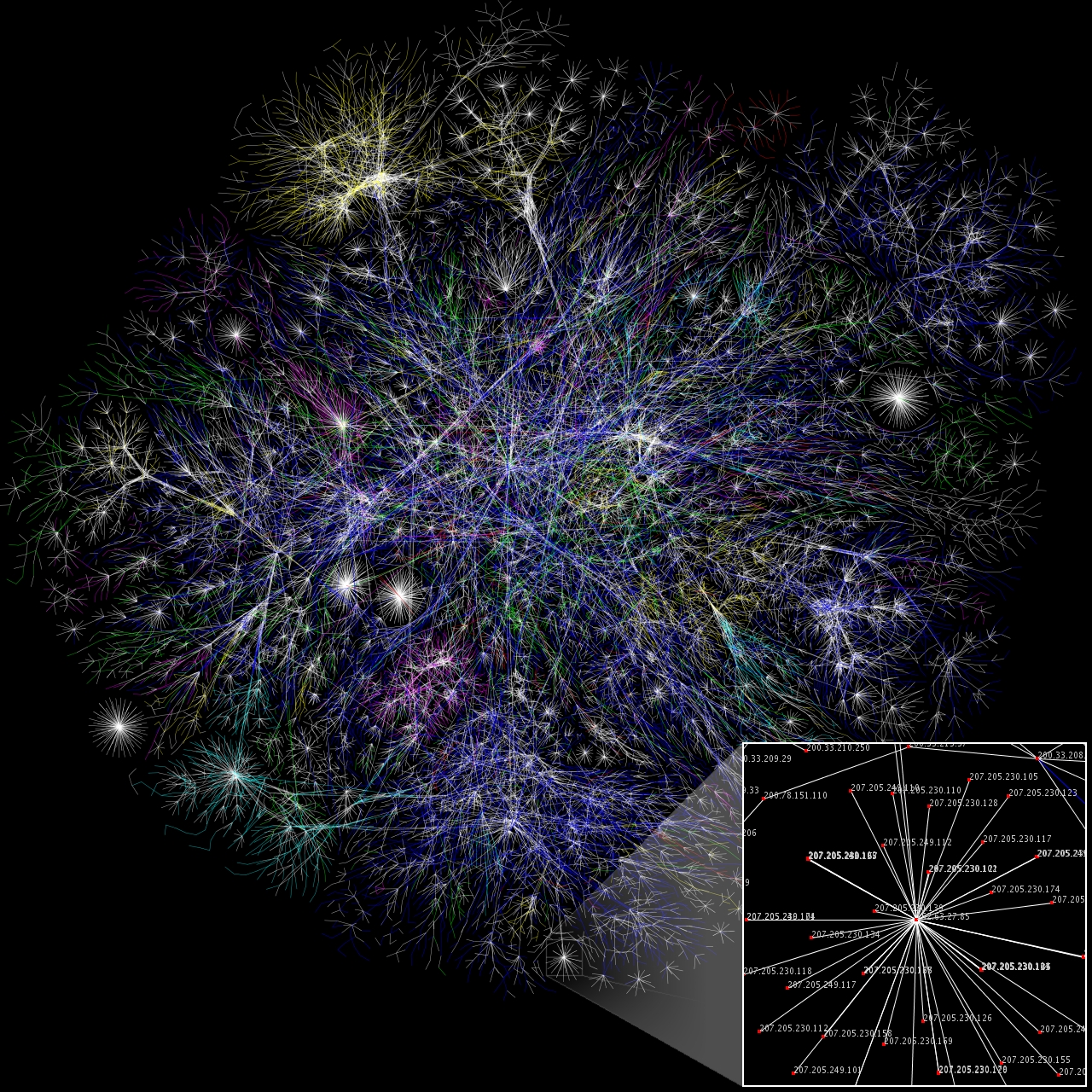
In a previous post, I was sceptical about using Apache DataFusion for graph analytics. However, after some thought and experimentation, I changed my mind. I have reconsidered my approach and now have a working implementation of basic graph algorithms, such as WCC, PageRank and MSSP. For example, I can identify weakly connected components in a graph with two billion edges using just 10 GB of RAM and two cores. This is one of the most widely used graph algorithms and lies behind most entity resolution. The pure CSR of this graph requires over 15 GB of raw memory (or 30 GB if it is treated as undirected, as WCC requires). The hard limit was 10 GB of RAM when using systemd-run -p MemoryMax=10G, and the process was successful. Not Vibe-coded.
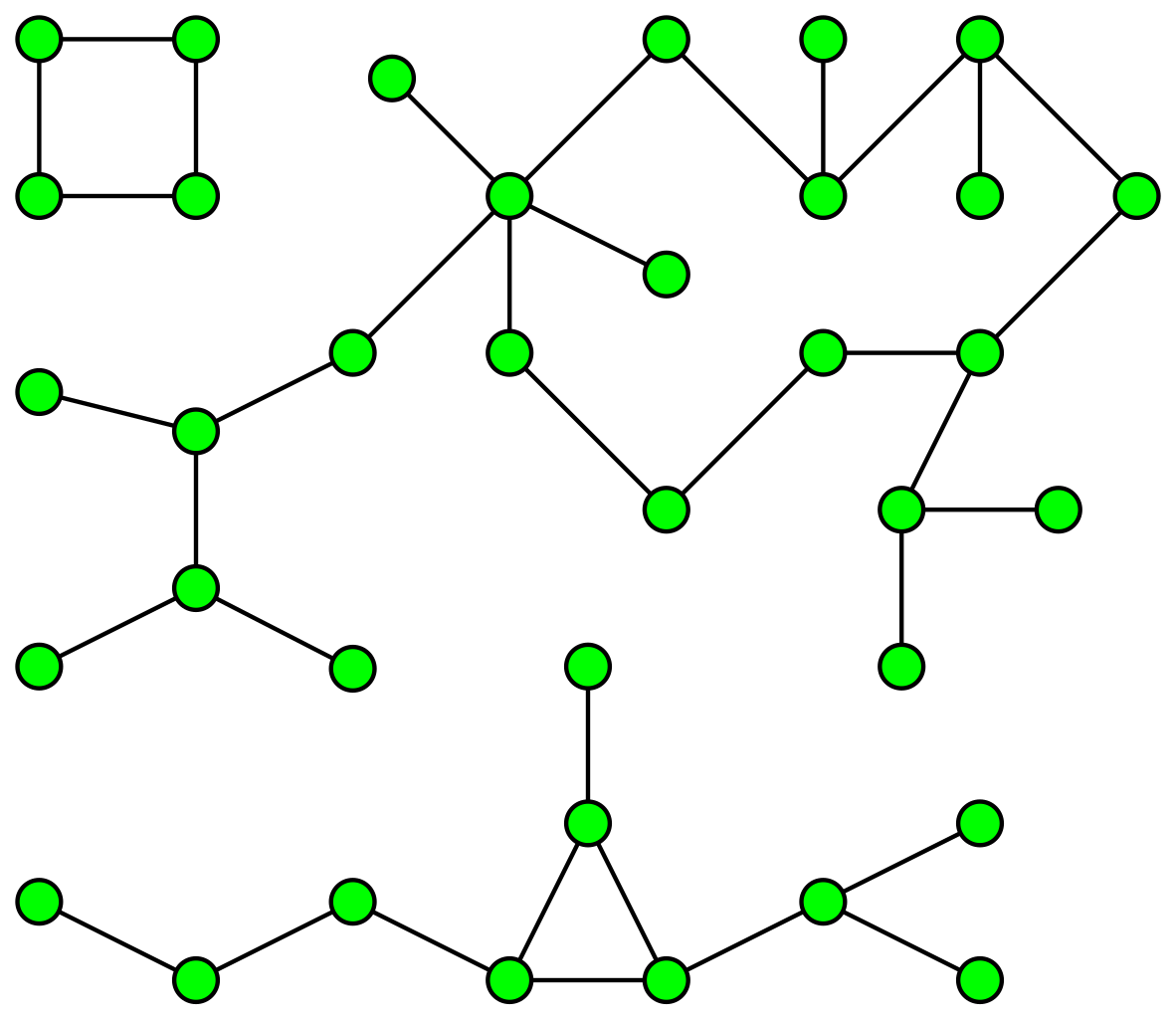
I don’t think anyone besides me has considered using Apache DataFusion to write graph algorithms. I still don’t fully understand DataFusion’s place in the world of graphs, but I’d like to share my initial experience with it. Spoiler alert: It’s surprisingly good! In this post, I will explain the weakly connected components problem and its close relationship to the common problem of modern data warehouses (DWHs), namely, identity resolution. I will also describe an algorithm for connected components in a MapReduce paradigm. I consider this to be the algorithm that strikes the best balance between performance and simplicity. Finally, I’ll present my DataFusion-based implementation of the algorithm and the results of toy benchmarks on a graph containing four million nodes and 129 million edges. As always, keep in mind that this post is very opinionated!

In this blog post, I will provide a brief high-level overview of projects designed to accelerate Apache Spark by the native physical execution, including Databricks Photon, Apache Datafusion Comet, and Apache Gluten (incubating). I will explain the problems these projects aim to solve and their approaches. The main focus will be on the Comet project, particularly its internal architecture. Additionally, I will share my personal experience of making my first significant contribution to the project. This will include not only a description of the problem I solved and my solution but also insights into the overall contribution experience and the pull request review process.
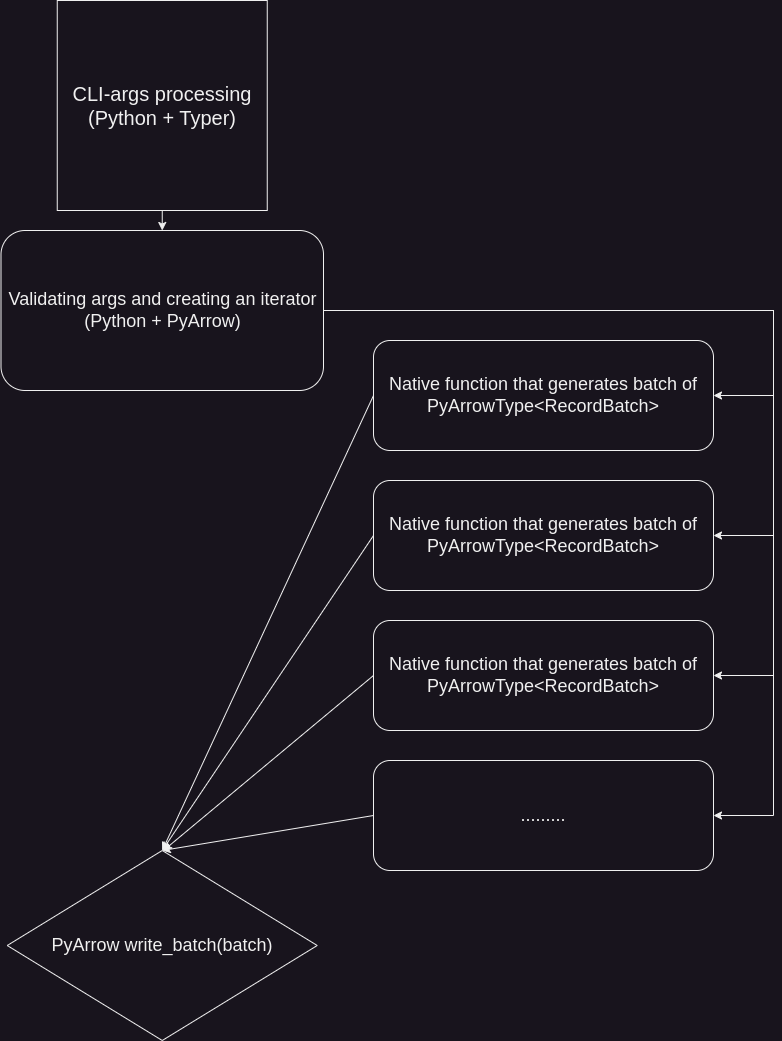
Preface I would like to express my gratitude to Matthew Powers for testing my project and providing feedback, and to Steve Russo for offering a valuable review of my code and drawing my attention to avoiding the use of unwrap. Prior to his review, some parts of the code looked like this: let distr_k = Uniform::<i64>::try_from(1..=k).unwrap(); let distr_nk = Uniform::<i64>::try_from(1..=(n / k)).unwrap(); let distr_5 = Uniform::<i64>::try_from(1..=5).unwrap(); let distr_15 = Uniform::<i64>::try_from(1..=15).unwrap(); let distr_float = Uniform::<f64>::try_from(0.0..=100.0).unwrap(); let distr_nas = Uniform::<i64>::try_from(0..=100).unwrap(); ...